
Horse Curriculum
Introduction
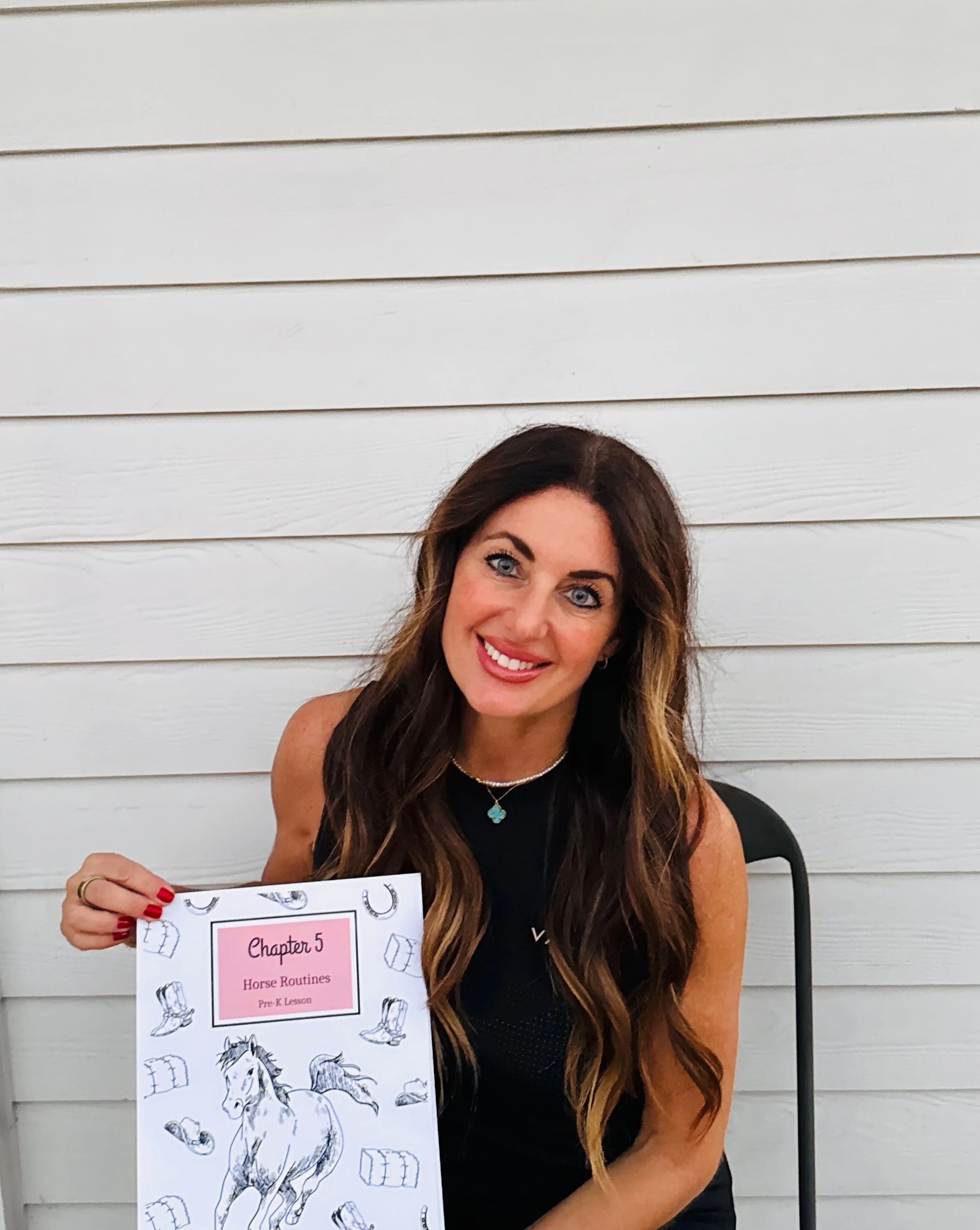
Hi mamas,
We are beyond excited to roll out this new Horse curriculum for all of our Horse enthusiasts!
We’ve been hard at work creating these lessons in Horsemanship!
Everything you and your students could ever want to know about horses & horsemanship!
There will be a new video & lesson each week! Join us here in our backyard barn, where we bring lessons to life!
Chapter 1 Horse Curriculum Introduction
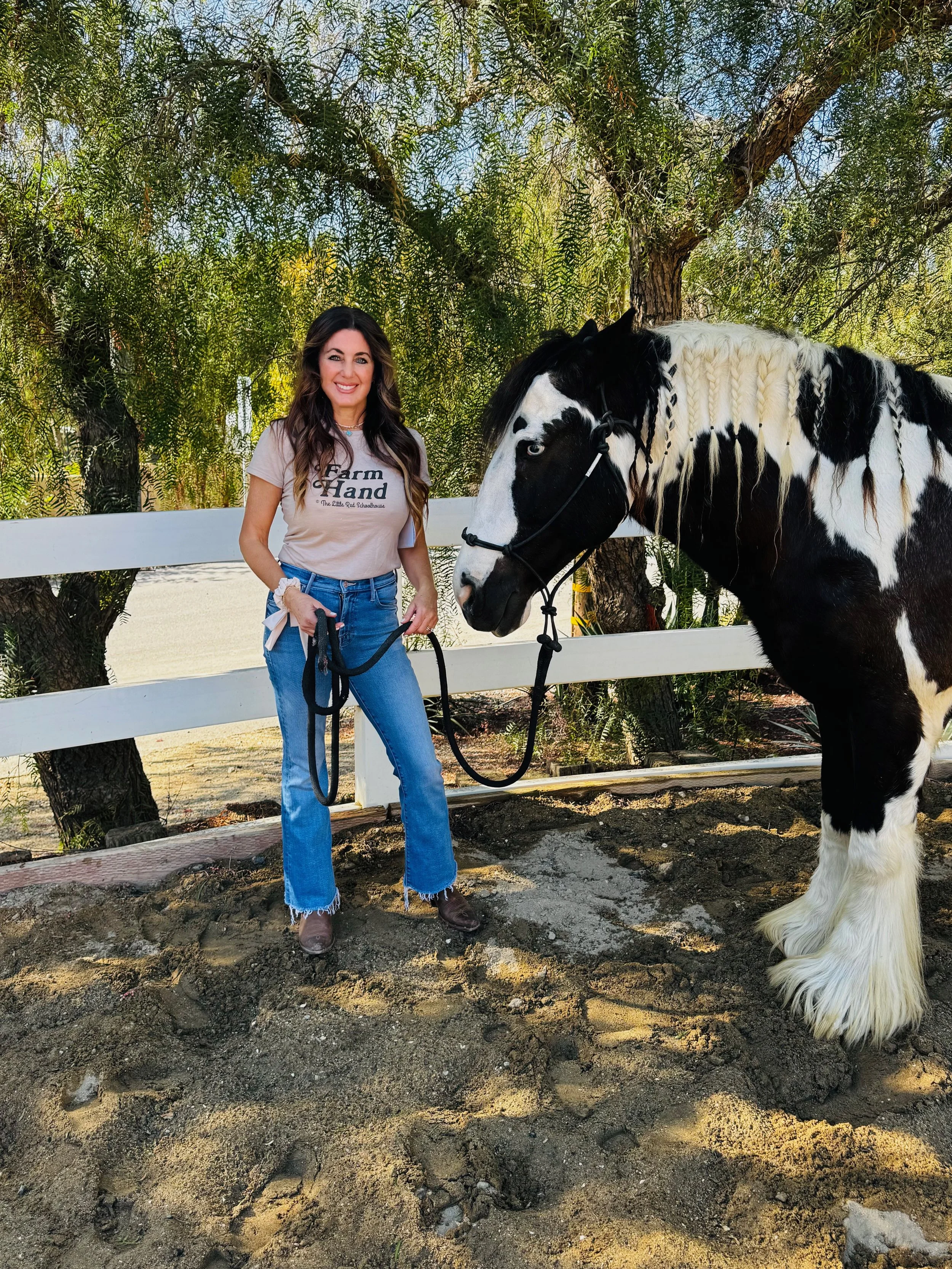
Hi mamas,
Join us for Chapter 1 of our brand new Horse Curriculum in our shop now!
Learn from home with your little learners, or hop into our Horsemanship classes pre-8th grade for this fun and educational study!
In this lesson we will be exploring how horses live in domestication, as well as in the wild.
How these precocial herd animals use their instincts for survival, as well as their monocular & binocular vision.
Chapter 1 Horse Curriculum Student Interviews
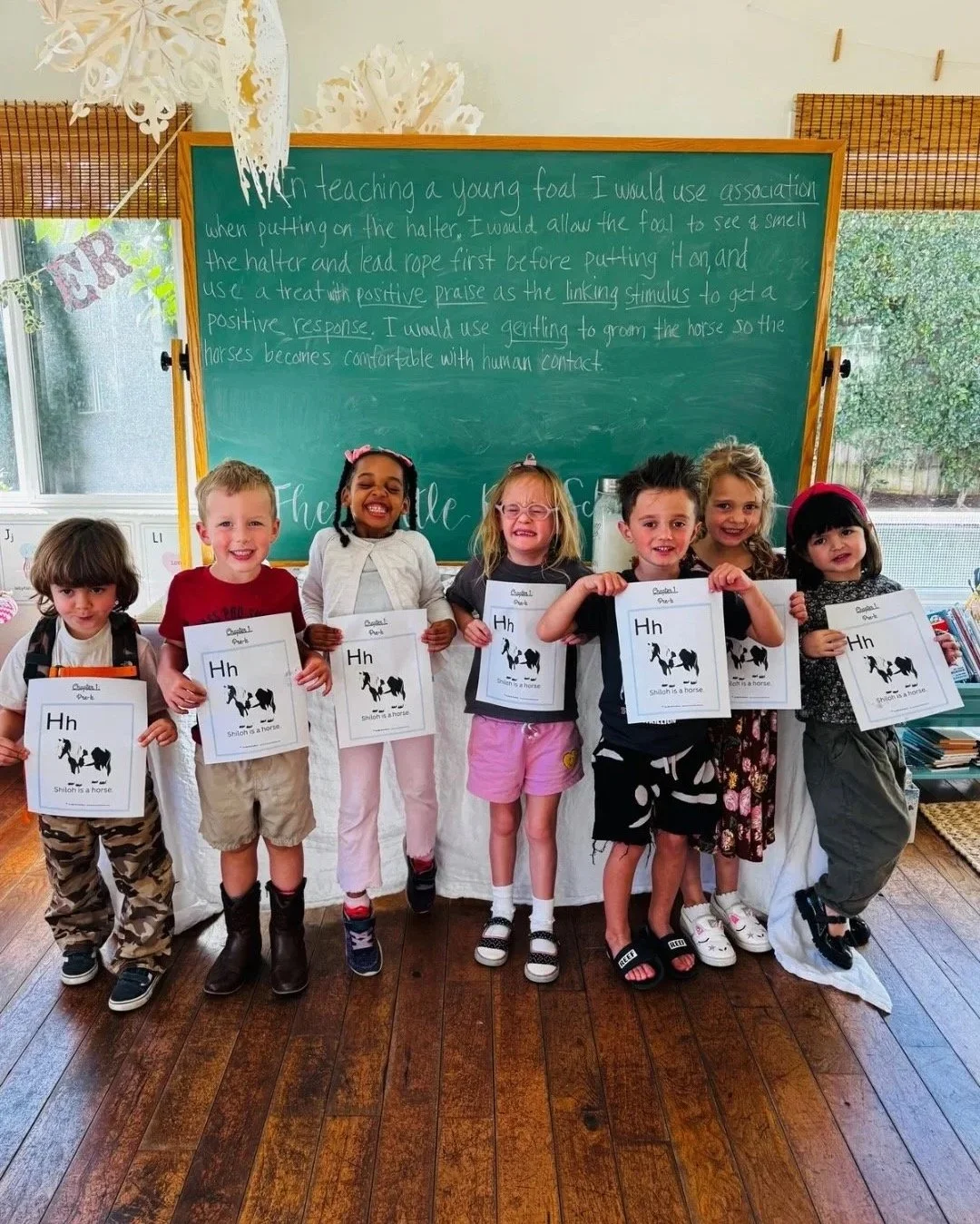
Hi mamas,
Listen in to hear our excited Pre-K friends learn all about horses in Chapter 1 of our Horse Curriculum.
In this Chapter Pre-K friends learn about these amazing precocial herd animals, as well as how much water and food they consume each day!
Chapter 2 Horse Curriculum Introduction
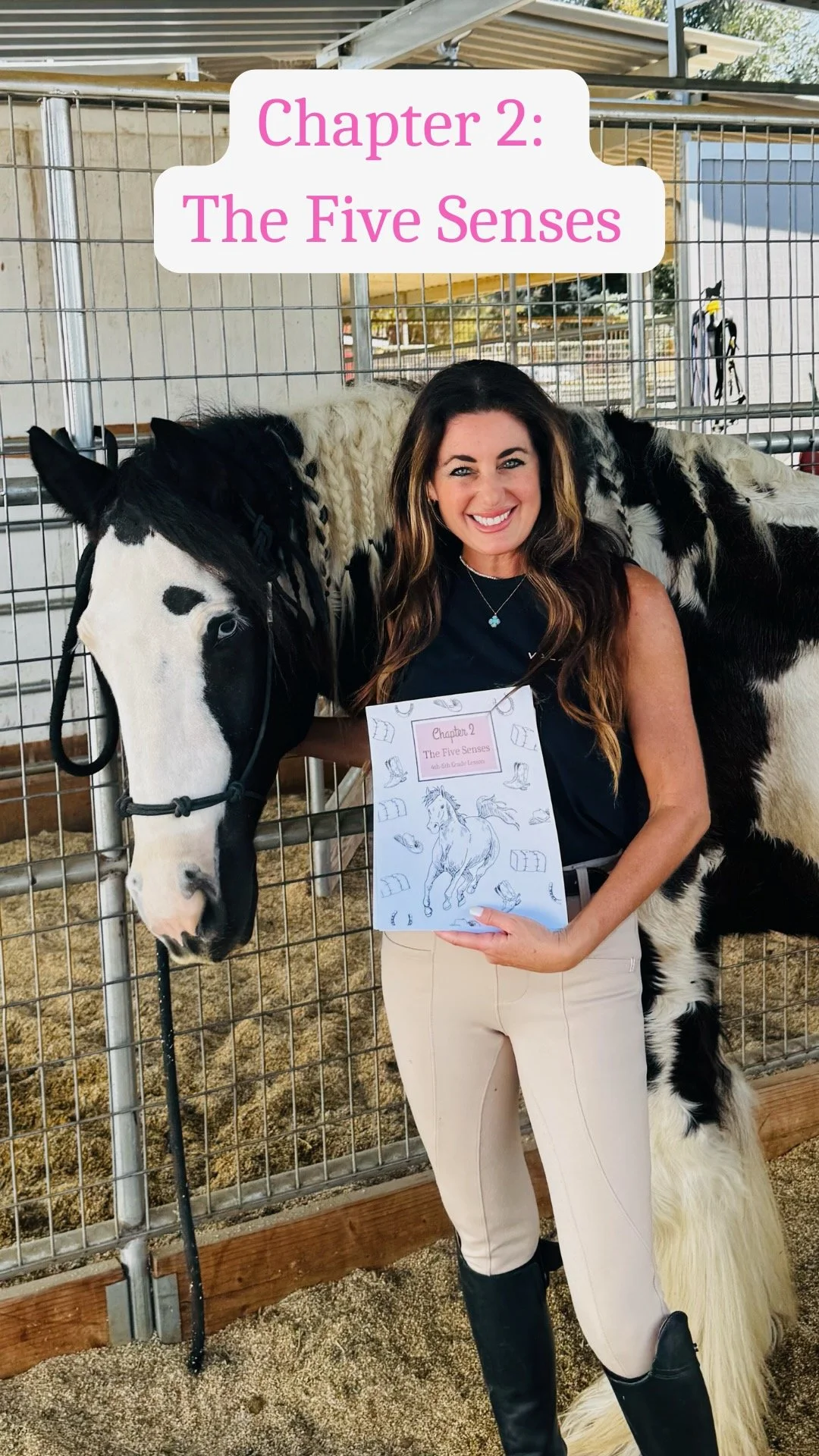
Hi mamas,
Join us for Chapter 2-The Horses Five Senses!
In this chapter students will be learning how the horses use their heightened five senses to stay alive in the wild, with independent ears that are able to rotate 180° to hear sounds from over 2.5 miles away. Horses are able to protect themselves from perceived danger!
We will also learn about how they use special chemicals called pheromones to send signals to each other through the Flehmen’s response and the Jacobson organ!
Horses are fascinating!
Chapter 2 Horse Curriculum Student Interviews
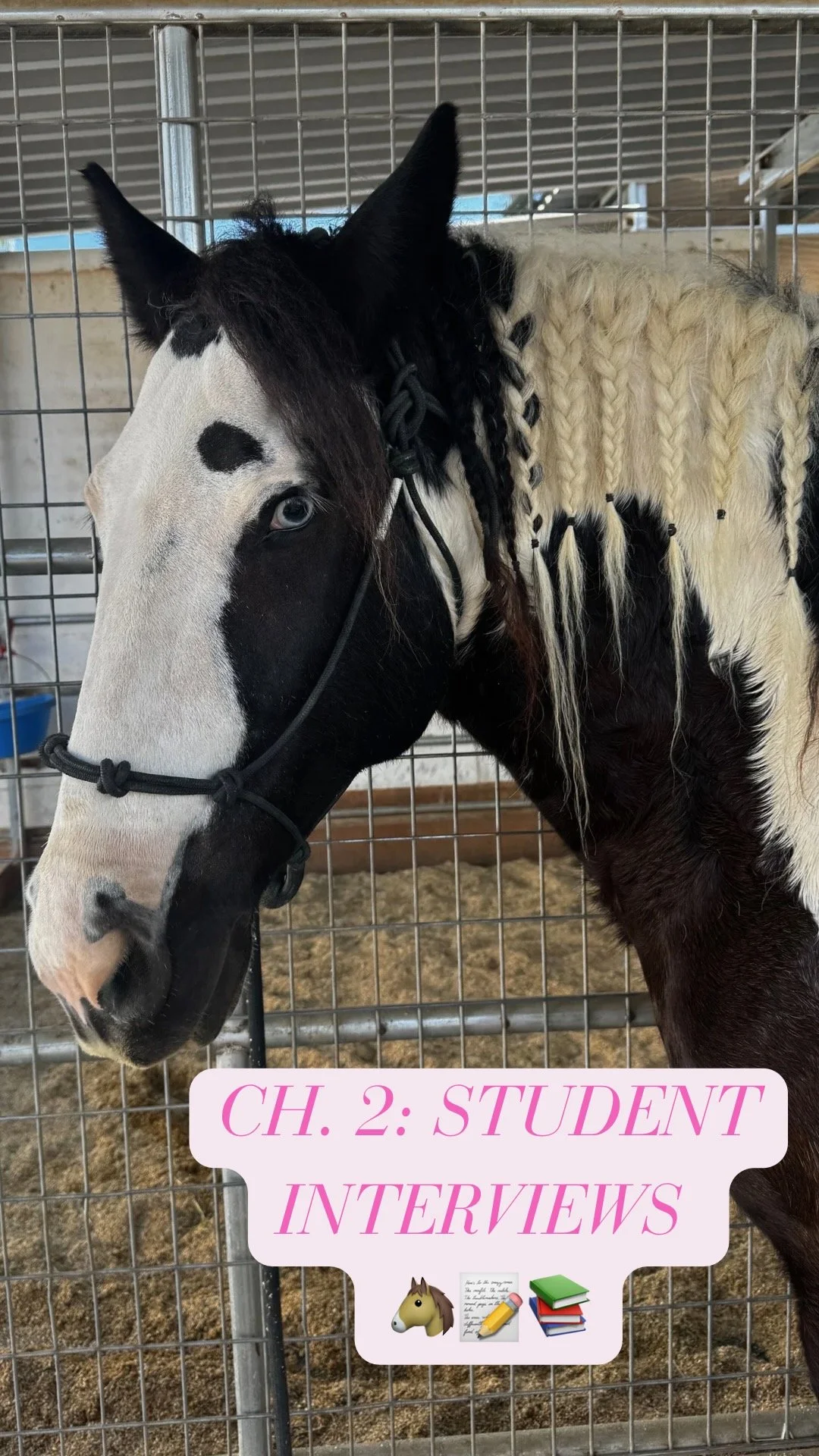
Hi mamas,
Listen in to hear our 2nd-3rd grade students share some of their learning from our brand new Horse Curriculum Ch. 2!
From learning all about their heightened five senses, to how horses use their “stay apparatus”- specialized tendons, ligaments, and muscles to lock their leg joints in place so that they can sleep standing up.
This enables a quick escape from predators out in the wild!
Chapter 3 Horse Curriculum Introduction
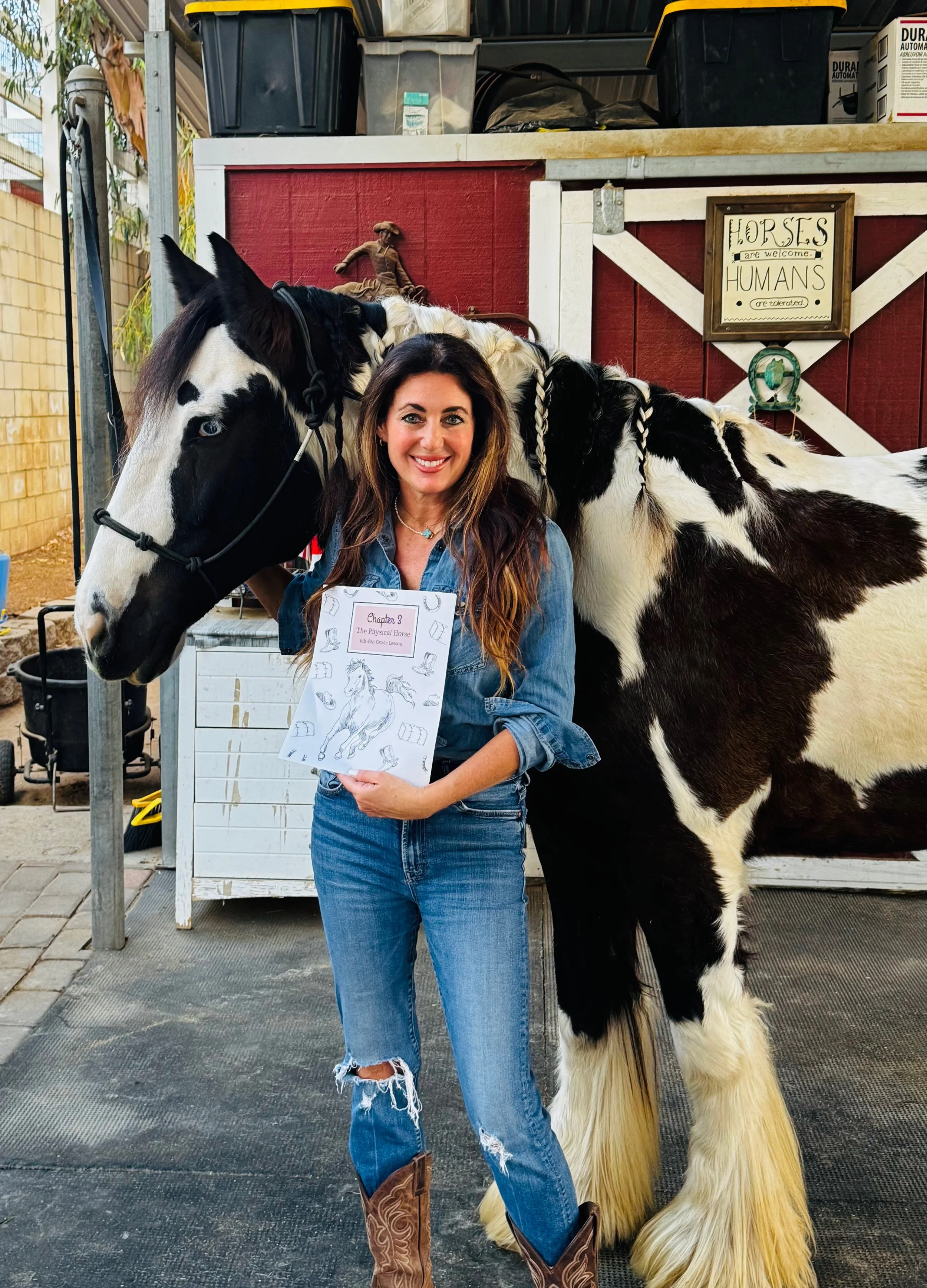
Hi mamas,
Join us for Chapter 3 – The Physical Horse!
In this chapter, students will learn how a horse’s body is designed for strength, balance, and survival. We’ll explore how horses grow different coats with the seasons, why foals are often born in spring, and how their powerful yet sensitive bodies help them thrive.
Students will discover how horses eat as grazers, why their teeth keep growing, and what colic is. We’ll also learn that horses have about 205 bones, how much weight they can safely carry, and how they sleep standing up using something called the stay apparatus.
From hooves that grow like fingernails to understanding normal horse heart rates, this chapter helps students see how to keep horses healthy and happy.
Chapter 3 Horse Curriculum Student Interviews
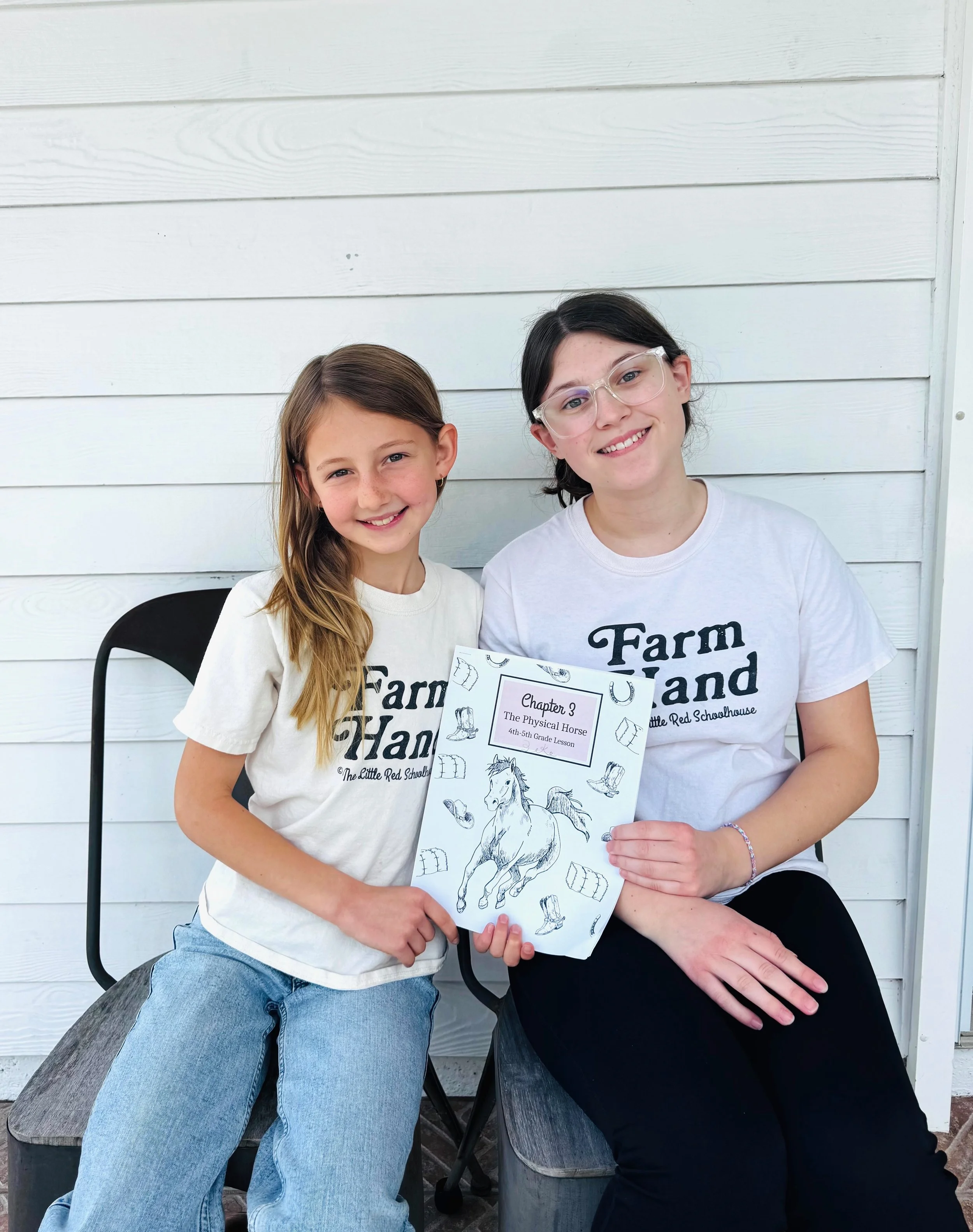
Hi mamas,
Chapter 3 – The Physical Horse has been such a fun one!
In this lesson, we learned about how horses can carry about one-fifth of their body weight, have 205 bones, and that their hooves grow just like our fingernails (and need regular trimming!).
I love hearing the girls share their favorite takeaways and fun facts from the lesson — it’s always so special to see what stands out to them.
Chapter 4 Horse Curriculum Introduction
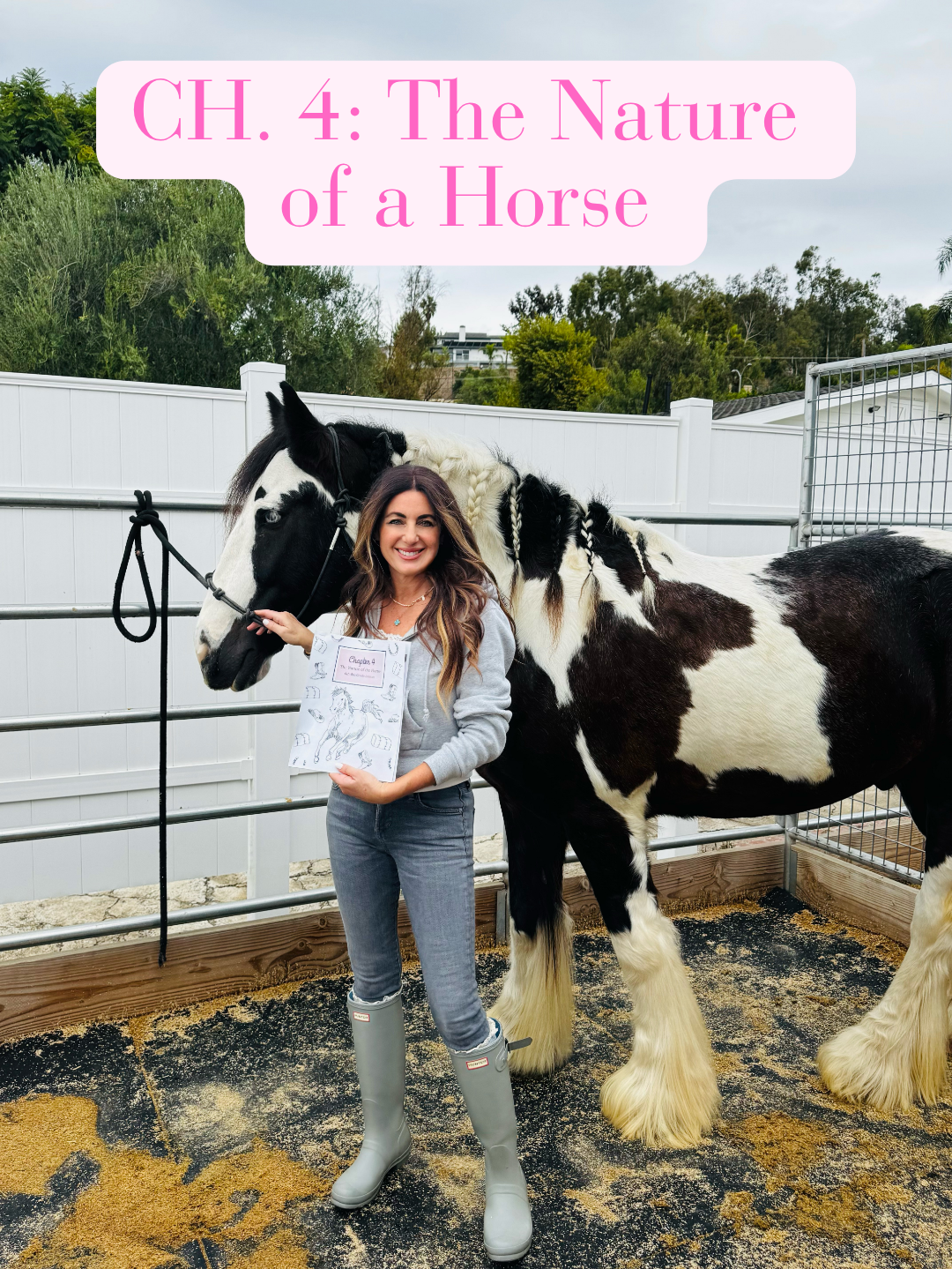
Hi mamas,
This week we are jumping into Ch.4-The Nature of the Horse with our amazing Horse Curriculum!
Students will be learning all about the relationship between a mama mare and her baby foal, as well as what it means to be “pair bonds”, and epimeletic behavior... two horses nurturing, grooming, and protecting each other!
Join us for on-site Horsemanship classes Pre-K through 8th grade for lessons that last a lifetime or download our curriculum from home and follow along on all of our adventures in learning right here in the Little Red Schoolhouse where we make learning fun!
Chapter 4 Horse Curriculum Student Interviews
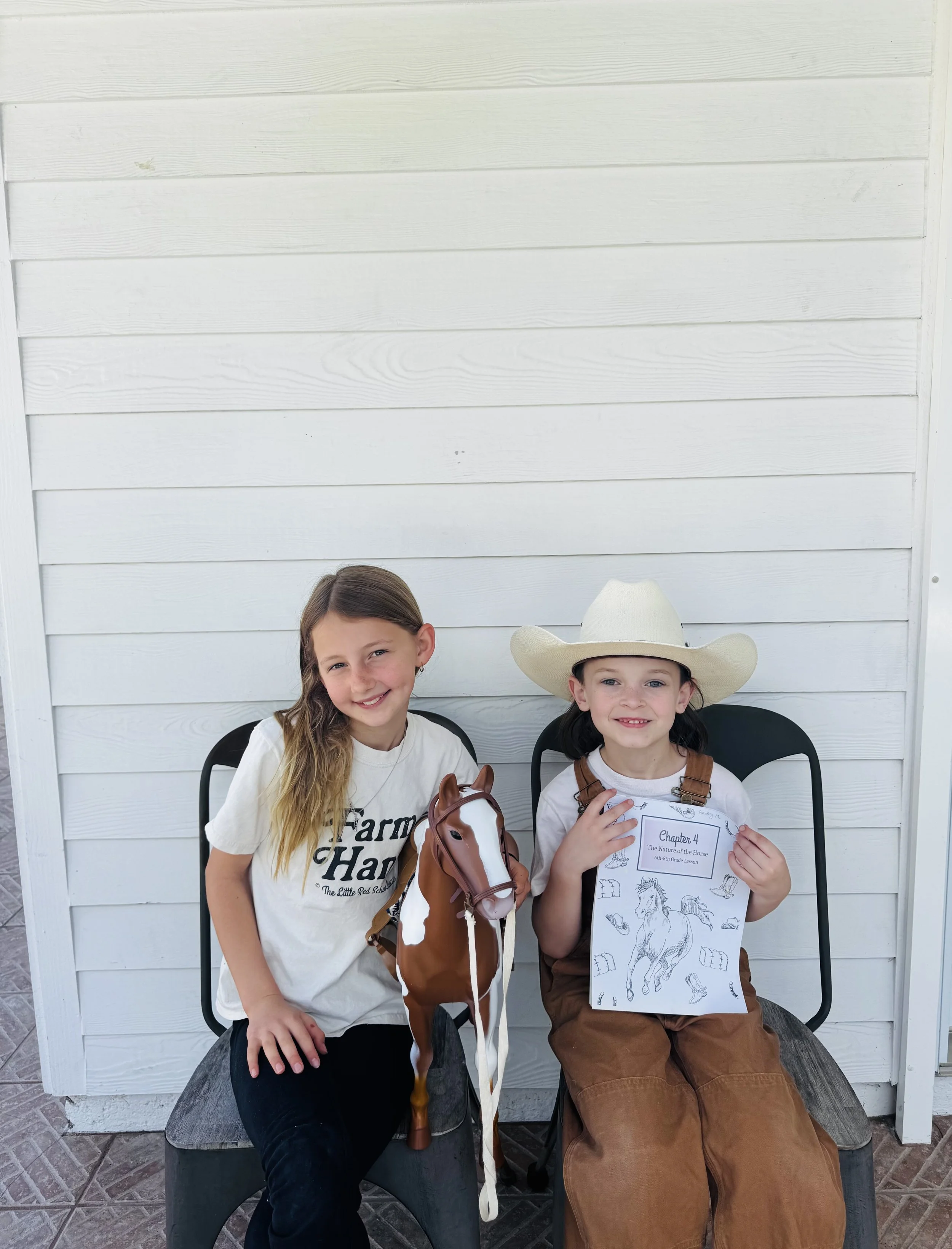
Hi mamas,
Listen in to hear 4-8th grade student interviews from our latest Chapter 4: The Nature Of A Horse!
From learning about the pecking order in the life of a herd, to the herd’s “Alpha Mare” or “Boss Mare’s” important role in keeping the herd safe!
Students share their learning on baby filly’s and colts, to horse BFF’s “Pair Bonds”, imprinting, and how horses use epimeletic behavior to nurture and care for one another!
Join us for on-site horsemanship classes Pre-K-8th grade, or download our Horse curriculum from our shop and follow along on all of our adventures in learning!
Chapter 5 Horse Curriculum Introduction
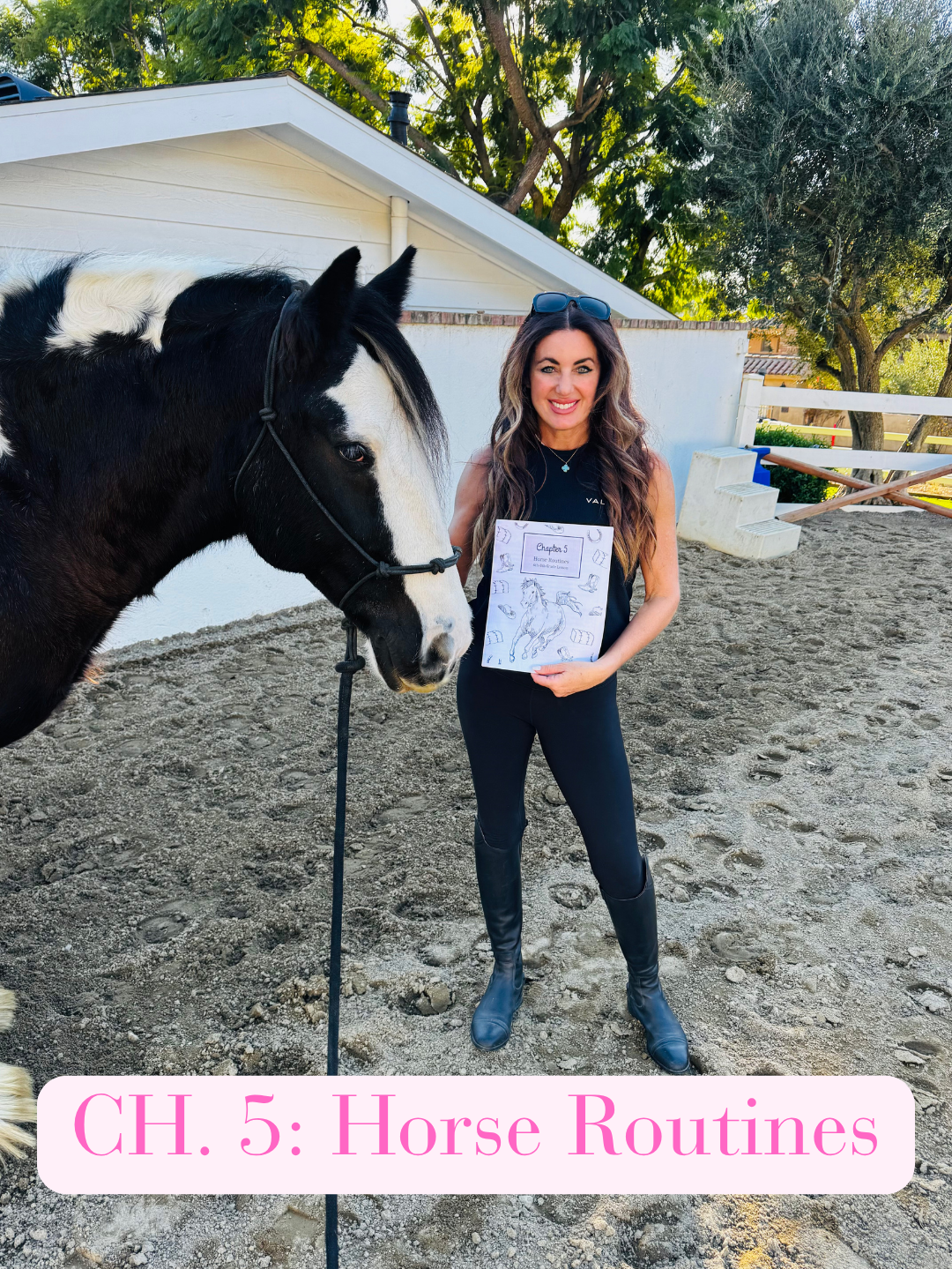
Hi mamas,
Join us for chapter 5 of our Horse Curriculum: Horse Routines!
Learners will explore a horse’s daily routine both out in the wild as well as in domestication.
Drinking up to 10 gallons of water each day, and eating approx. 15-17 pounds of hay/grass as nomadic grazers.
We also explore how much sleep a horse gets in a 24 hour period, and how many hours are spent sleeping in the lateral recumbent and sternal recumbent position.
Join us here in the schoolhouse for lessons that last a lifetime, or download our Horse curriculum at home. Join us on all our adventures in learning right here in the Little Red Schoolhouse!
Chapter 5 Horse Curriculum Student Interviews
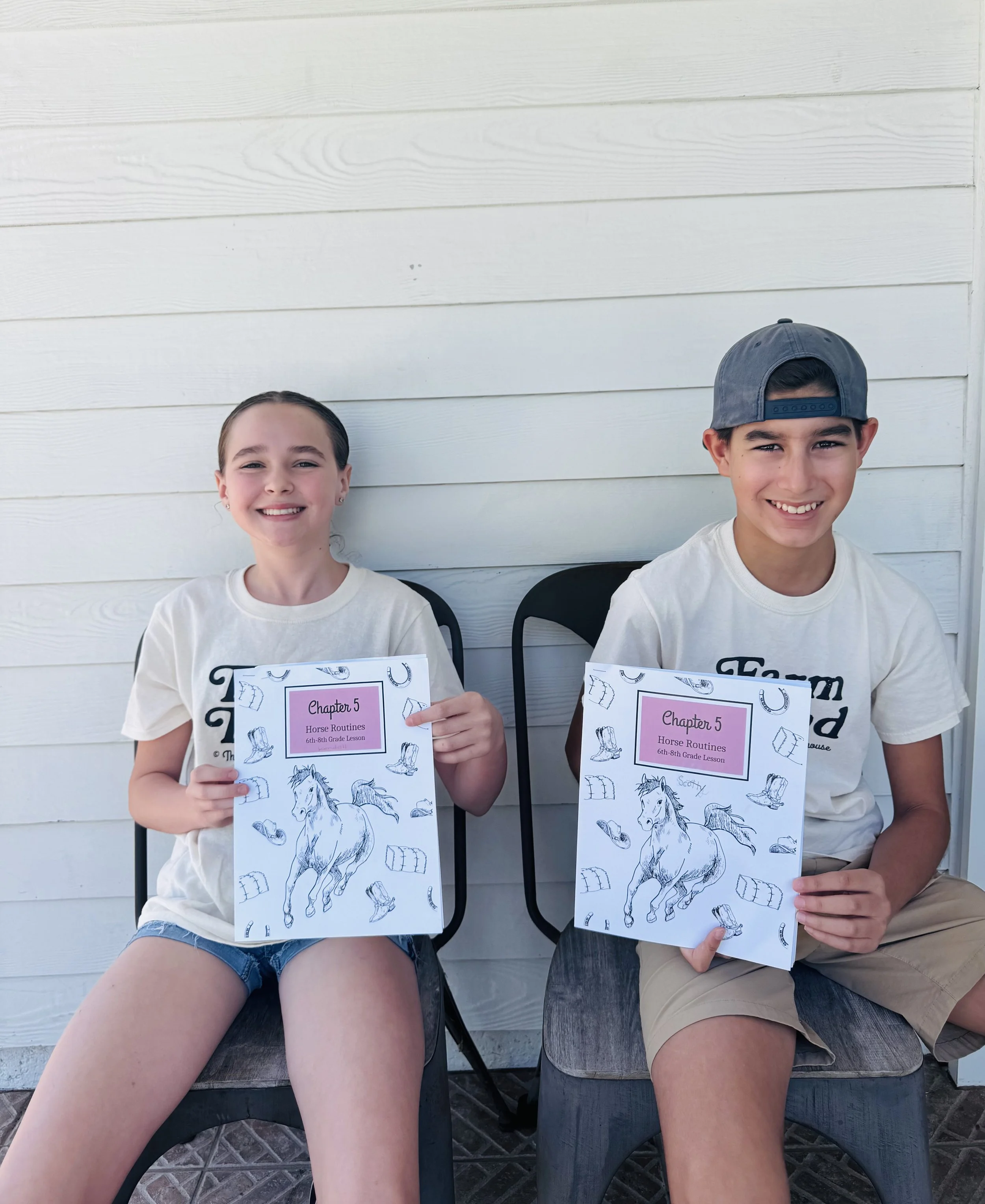
Hi mamas,
Listen in to hear some of our students’ learning in our Chapter 5 Horse Lesson.
In this lesson, learners explore a horse’s daily routine both in the wild and in domestication. From understanding their flight response for safety, to discovering how horses use natural grooming behaviors to care for themselves and bond with others.
We also dive into how horses sleep — averaging about 4-8 hours in a 24-hour period, with only short periods of deep sleep. Learners discover the different ways horses rest, including standing sleep, sternal recumbent (upright lying), and lateral recumbent (fully lying on their side).
We explore fascinating topics like sebum, the natural oil that keeps a horse’s coat healthy and protected, and how their bodies are designed for life as strong, intuitive animals.
Download our Horse Curriculum to follow along from home in our shop, or join us for on-site classes here in the Little Red Schoolhouse for lessons that last a lifetime!
Chapter 6 Horse Curriculum Introduction
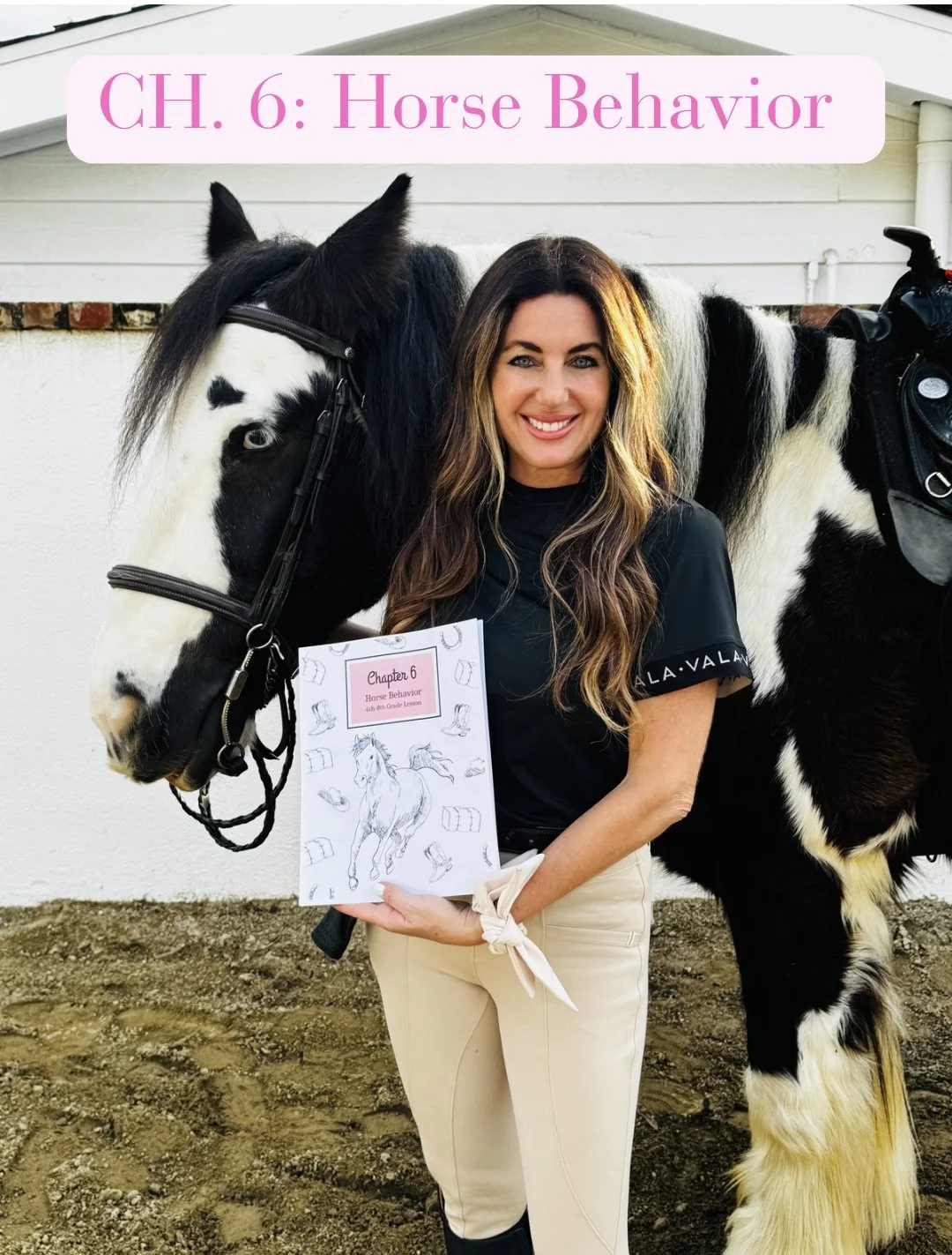
Hi mamas,
We are so excited to introduce Chapter 6 of our horse curriculum all about horse behavior!
In this chapter, our students are learning all about specialized cells that horses have in their brains called “mirror neurons” — this enables them to feel everything that we feel!
Including matching up their heartbeat with ours! One of the reasons these amazing animals make for excellent partners in equine therapy!
Join us here in The Little Red Schoolhouse for lessons that last a lifetime!
Chapter 6 Horse Curriculum Student Interviews
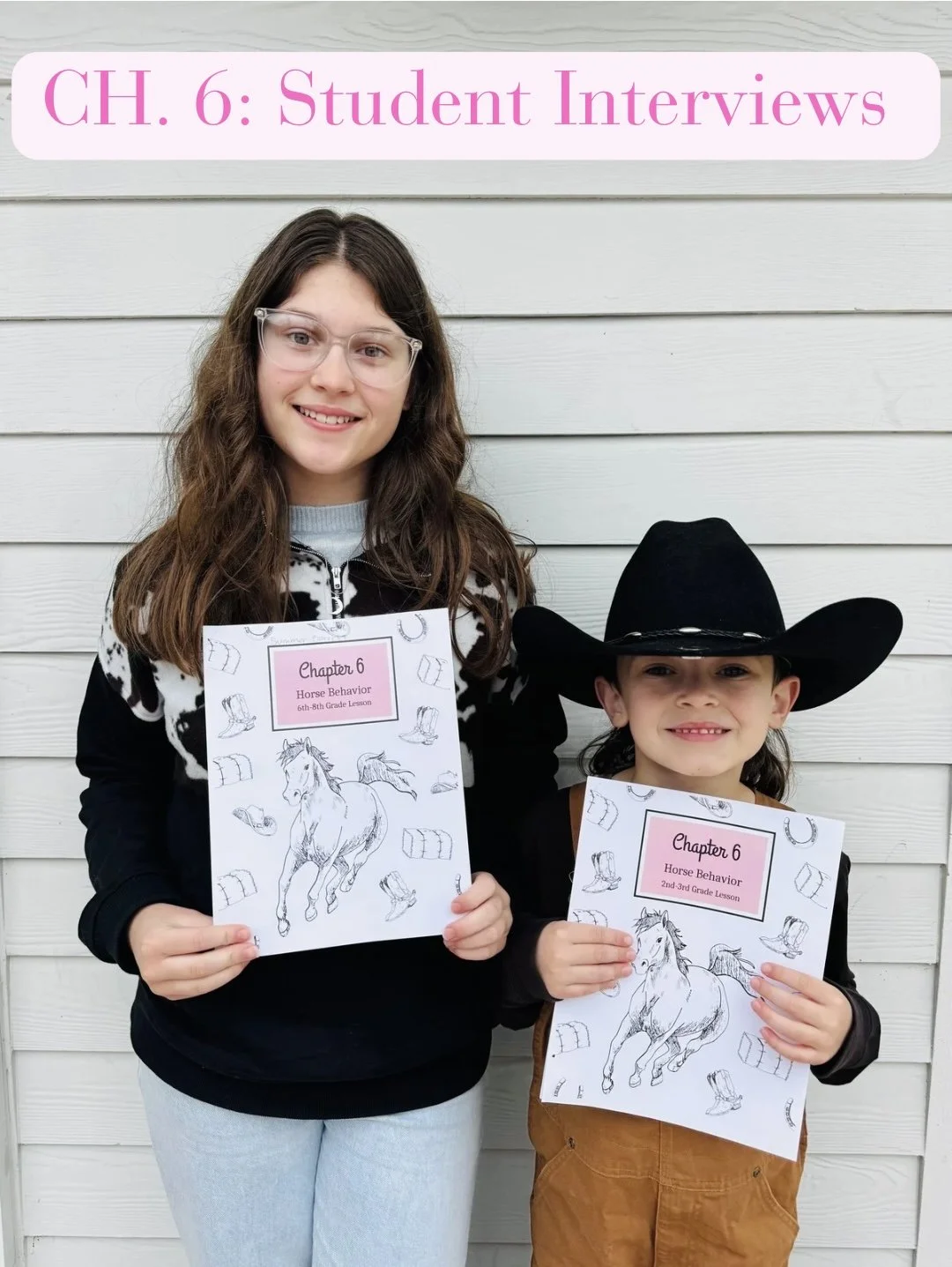
Hi mamas,
Listen in as our students share some of their favorite takeaways from Chapter 6: Horse Behavior.
From learning about a horse’s temperament to understanding how a horse’s behavior gives us insight into how they’re feeling.
We also learn in this chapter about specialized brain cells called “mirror neurons” that enable a horse to feel everything we are feeling!
Lastly, we learn that by being observant and studying our horse, we can understand how he’s feeling through his expressive body language.
Expert horsemanship begins with studying the micro cues of our horse, because every time you’re with a horse, you are having a conversation with him.
Join us here at The Little Red Schoolhouse (Pre-K–8th grade) for lessons that last a lifetime!
Chapter 7 Horse Curriculum Introduction
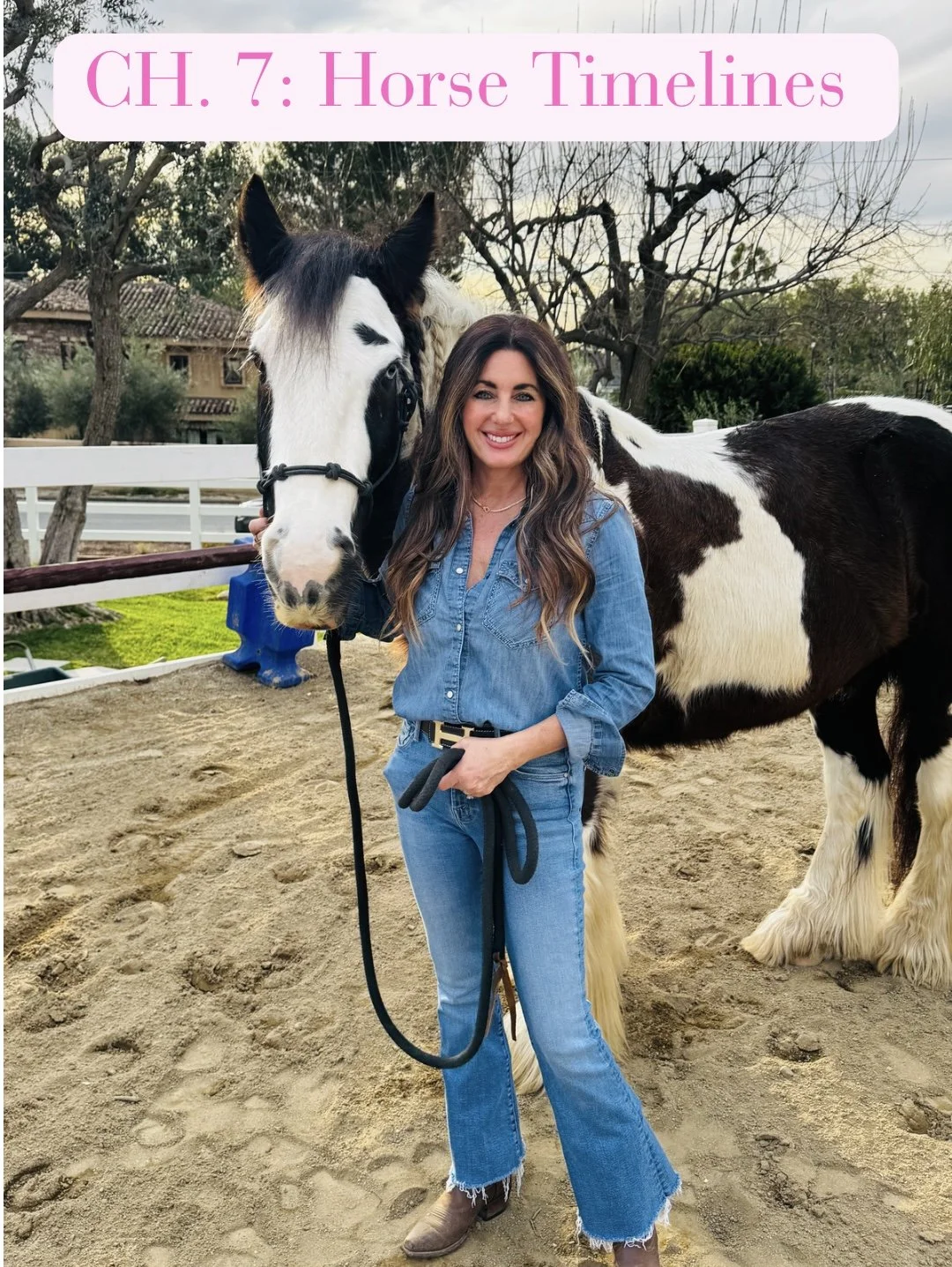
Hi mamas,
Join us for Chapter 7 from our horse curriculum: Horse Timelines!
Students (and their lucky parents) will get to learn all about just how quickly horses grow! Can you believe that by the time a horse is only 3 years old, he would be equal to an 18-year-old teenager!
Although foals grow very fast, their brains and soft tissue take many years to catch up to the rest of their bodies, which is why we don’t start training horses under saddle until they’re at least 3 to 5 years old, depending on the breed.
Join us here each week for the next chapter in our horsemanship curriculum, and fall in love with horse learning!
Chapter 7 Horse Curriculum Student Interviews
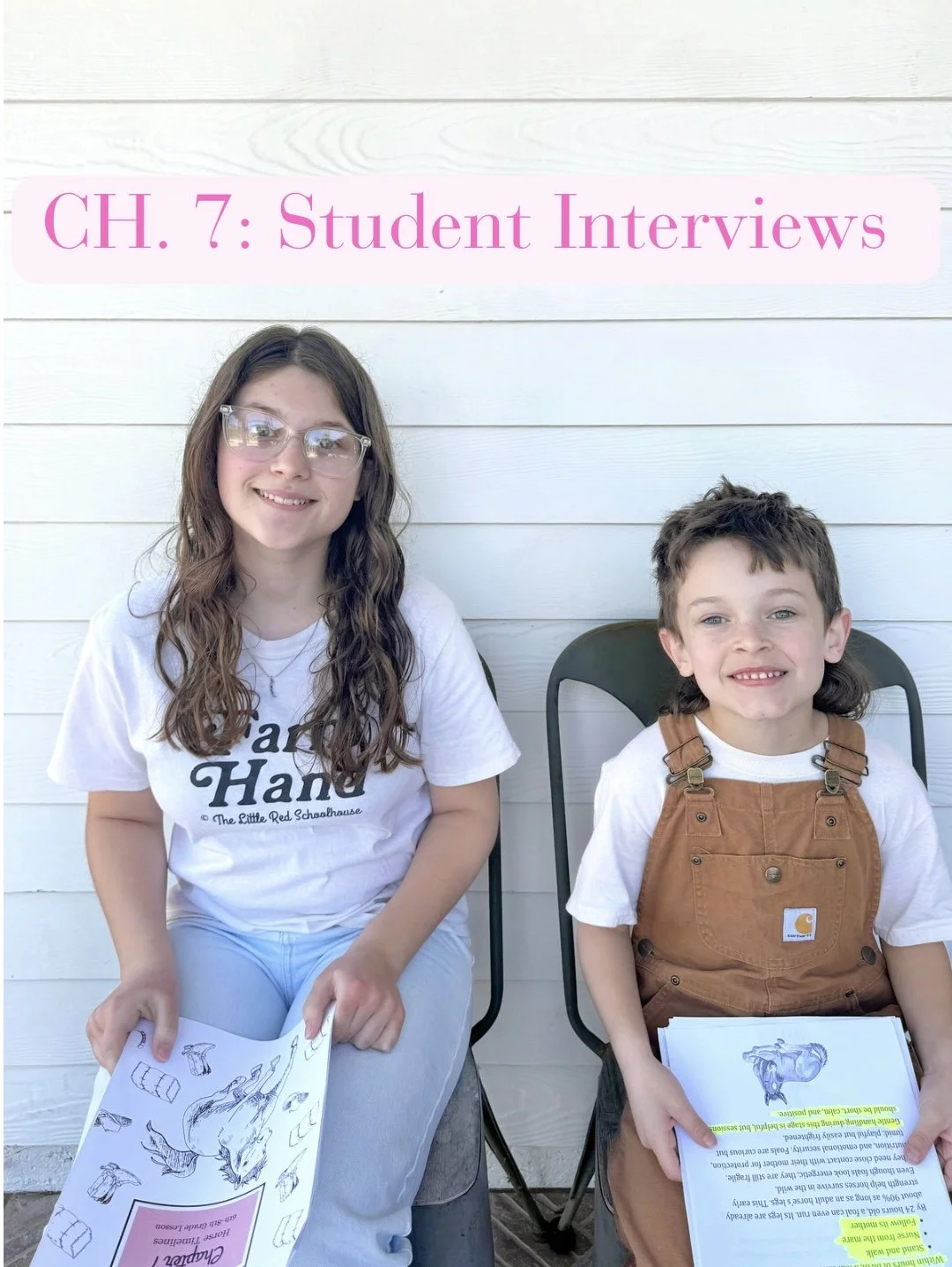
Hi mamas,
Join us for Chapter 7 of our Horse Curriculum: Horse Timelines!
Students explored how horses grow, learning about the epiphysis (a major growth plate) and conditions like epiphysitis.
Did you know that a horses first year of life in growth & development is equal to about 6 human years ?! With such rapid growth, starting training too early—like in racing horses around age 2—can increase the risk of injury.
We also learned that larger breeds benefit from waiting until around 5 years old to support healthy bone and spinal development.
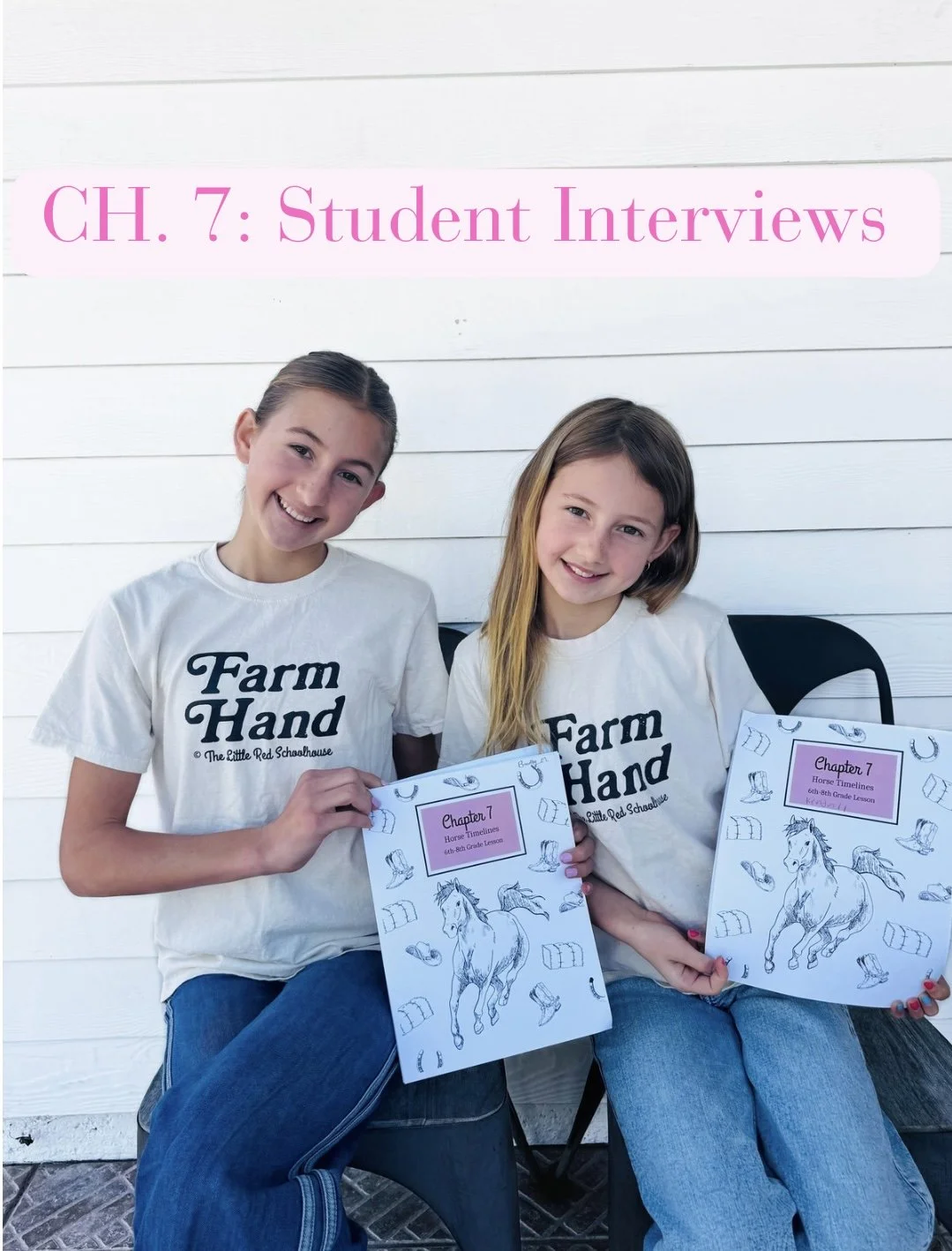
Hi mamas,
Our students are diving deeper into the world of horses!
They learned that foals can imprint at a young age, forming strong connections with humans, and that horses are precocial—ready to stand and move shortly after birth.
From defining what it means for a horse to be “broke” to learning about yearlings and rapid growth, these lessons are full of curiosity and discovery!
Meaningful learning that lasts a lifetime!
Chapter 8 Horse Curriculum Introduction
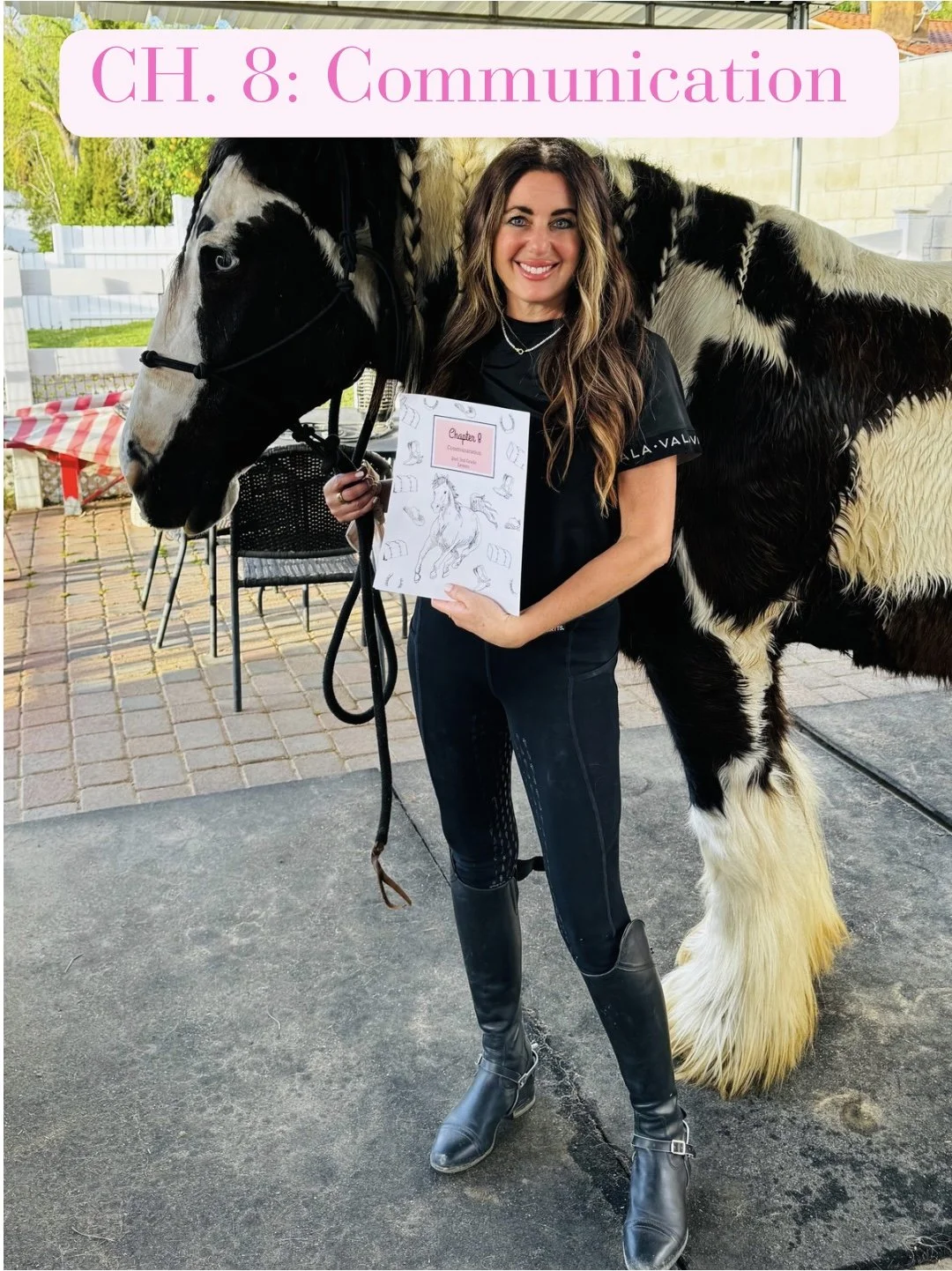
Hi mamas,
We’re jumping into Chapter 8 of our Horse Curriculum all about communication!
Students are learning that every interaction with a horse is a conversation—through body language, movement, and behavior, horses communicate how they feel.
Through hands-on learning, students will explore how to better understand and connect with horses through communication and trust.
Chapter 8 Horse Curriculum Student Interviews
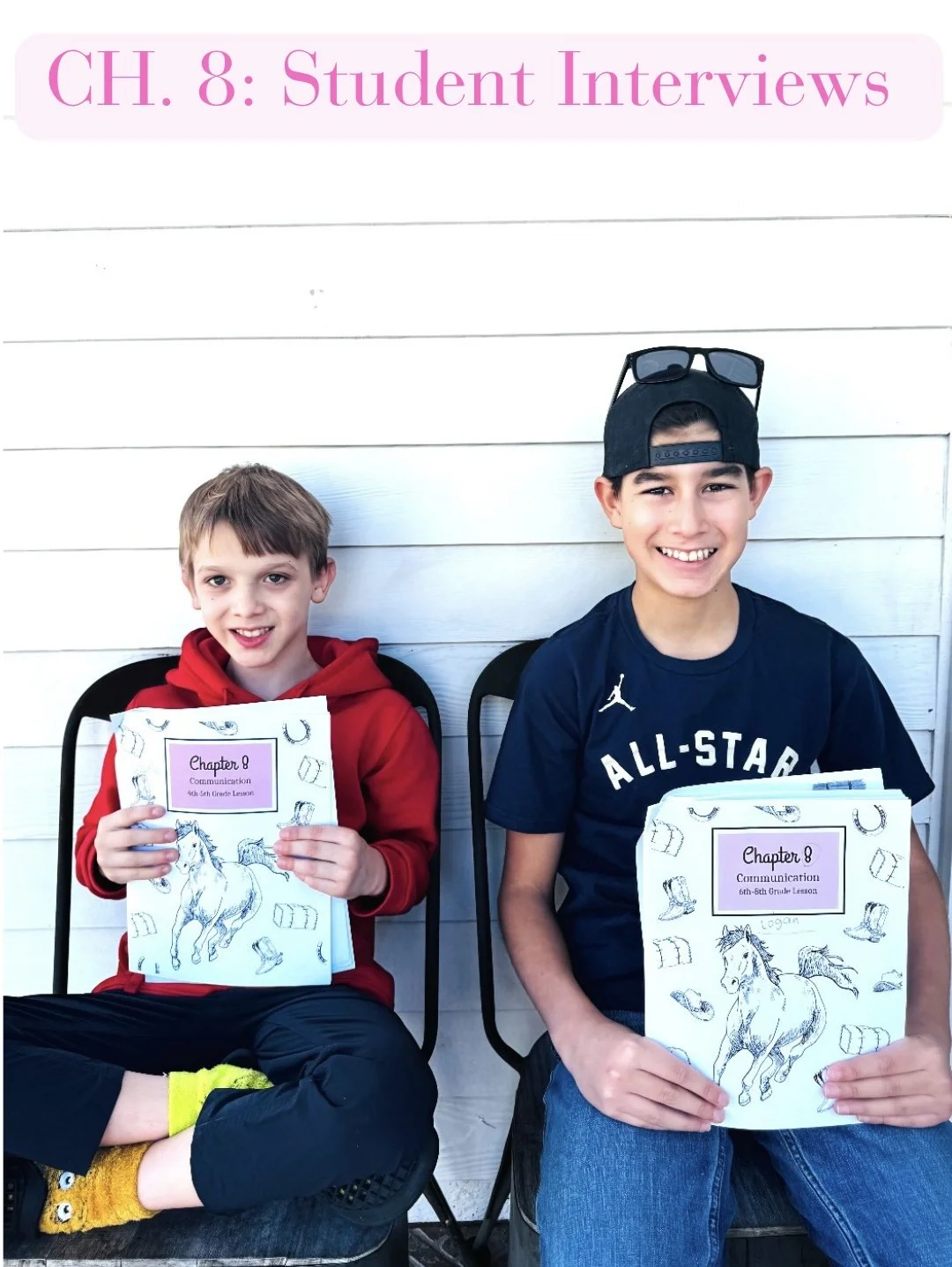
Hi mamas,
Our students are diving deeper into horse communication through Chapter 8 interviews!
From recognizing the signs of an alert horse to understanding how emotions affect behavior, students are learning how horses communicate without words.
Just like us, horses can have different moods each day depending on how they’re feeling physically and emotionally.
Meaningful learning that builds empathy and connection!